
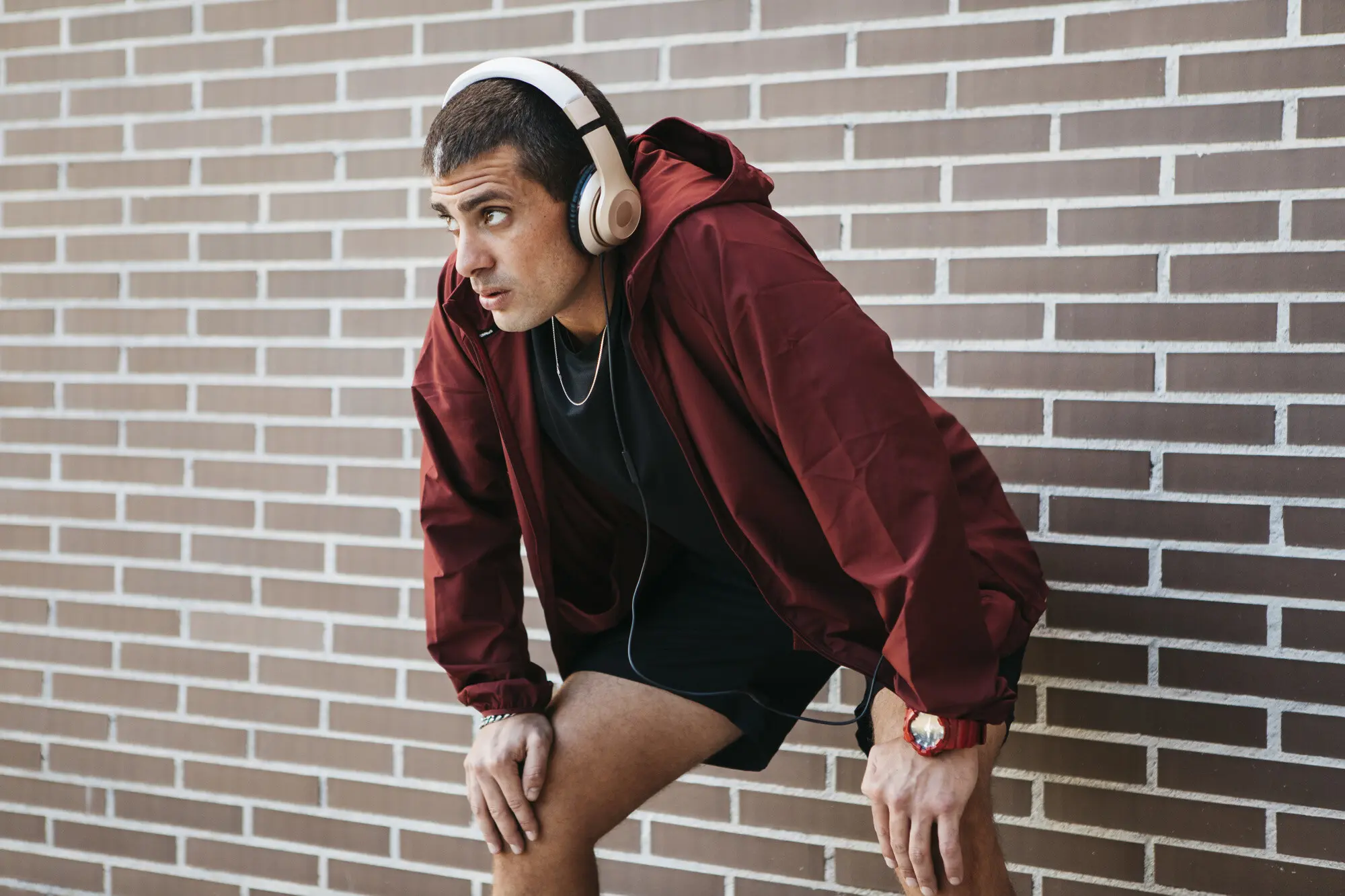
From Studio Flow to City Glow: Dressing Sustainably
Fabric Foundations You Can Feel Good About
TENCEL Lyocell and Modal
Derived from responsibly managed wood pulp and made in a closed-loop process that recovers over ninety‑nine percent of solvent, TENCEL Lyocell offers silky drape, breathable wicking, and gentle touch. It resists static, pairs beautifully with recycled stretch fibers, and moves from studio to street with polish. Choose Lenzing‑verified sources, and check blends for durability and easy care.
Organic Cotton and Hemp
Certified organic cotton reduces pesticide exposure for farmers and surrounding ecosystems, and when knit with thoughtful gauges it breathes beautifully during flow and calms skin between meetings. Hemp brings exceptional strength, natural UV resistance, and increasing softness with wear. Look for GOTS certification, traceable farms, and small doses of stretch for recovery without compromising long‑term durability.
Recycled Nylon and Polyester
Regenerated nylon, often made from discarded fishing nets and mill waste, delivers impressive stretch, abrasion resistance, and colorfastness suitable for high‑intensity practice and brisk commutes. Recycled polyester offers quick drying performance with a lighter footprint than virgin fibers. Prefer solution‑dyed yarns, choose higher recycled content, and mitigate microfiber shedding with wash bags, filters, and thoughtful, low‑friction care.

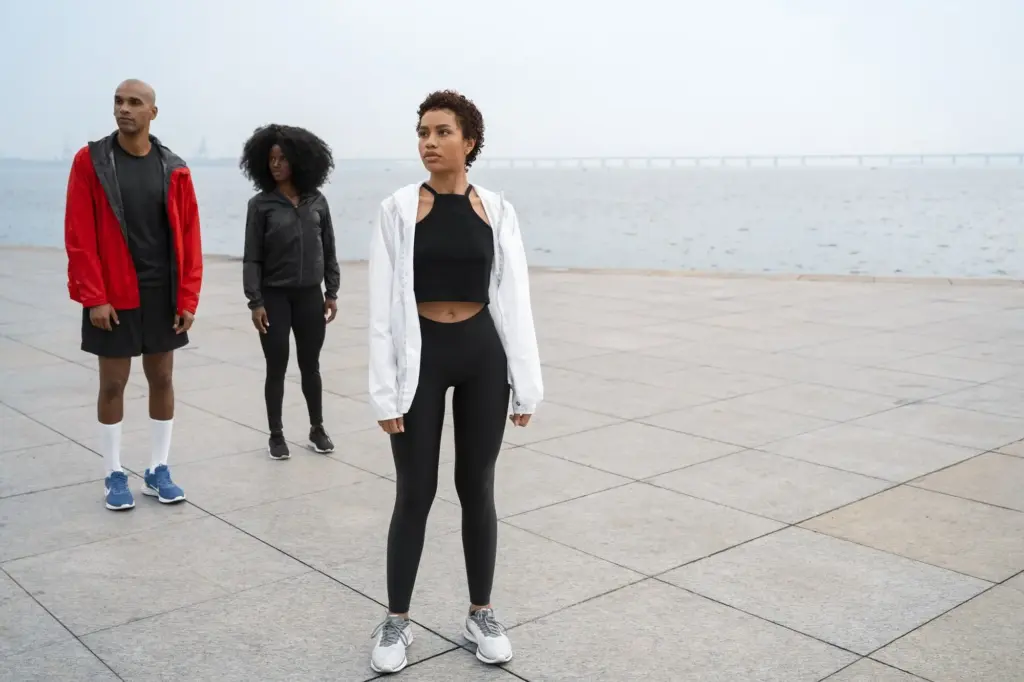
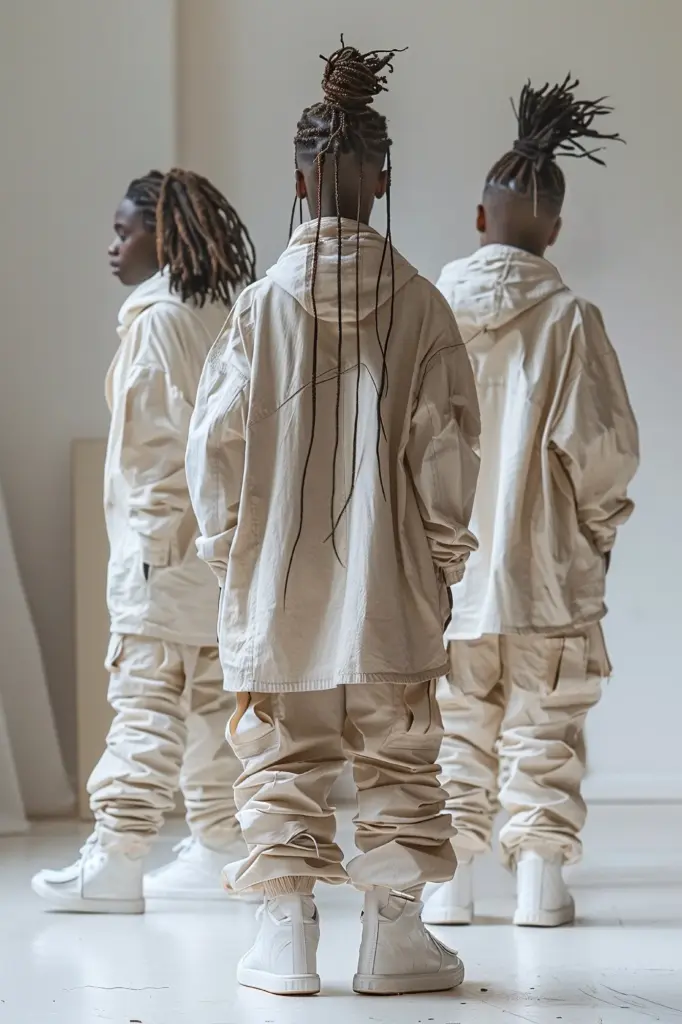

Performance Without Compromise
Color, Dyes, and Clean Chemistry

Low-Impact and Bluesign-Approved Processes
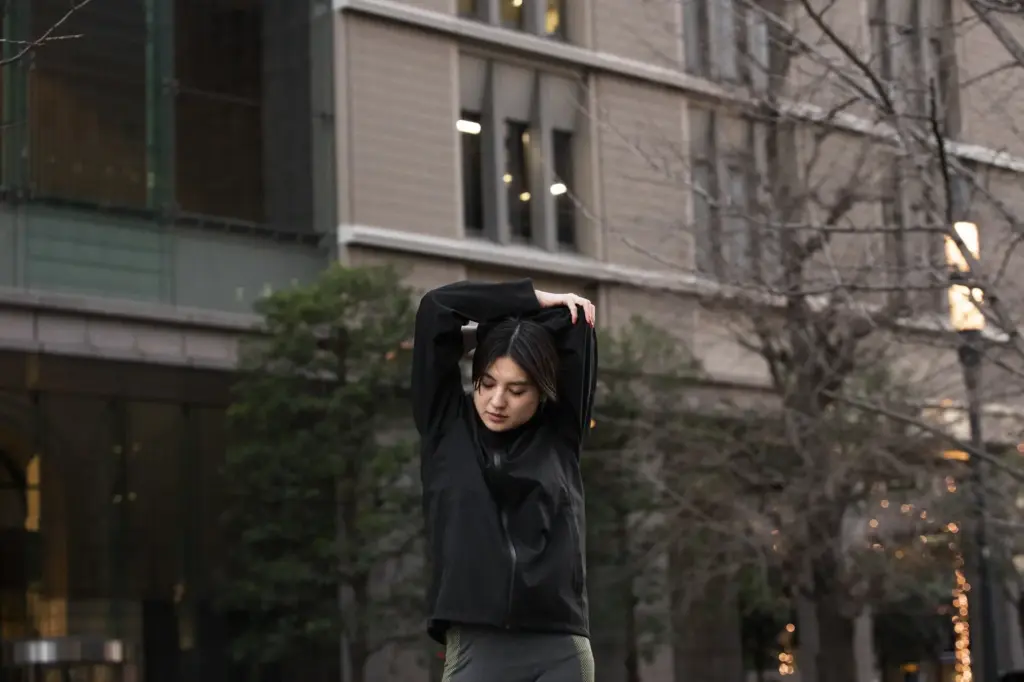
Dope-Dyed and Solution-Dyed Yarns
Capsule Wardrobe: Studio to Sidewalk
Leggings That Double as Pants
Layering with Overshirts and Blazers
Footwear and Accessories with Purpose
Care, Repair, and End of Life
Wash Smarter and Shed Less
Cold cycles preserve dyes, protect elastane, and cut energy use dramatically. Guppyfriend bags or in‑machine filters collect microfibers before they reach waterways. Turn garments inside out, choose liquid detergents, and avoid tumble drying, which weakens fibers. Air dry flat to maintain shape, prevent pilling, and extend comfortable compression.
Mend, Refresh, and Rotate
Keep a small repair kit with matching thread, stretch needles, and fusible patches. Rotate high‑use leggings with rest days so fibers recover. Steam out wrinkles, sun‑air for freshness, and reinforce stress points early. Thoughtful maintenance delays replacement, protects budgets, and reduces demand for resource‑heavy production cycles across crowded urban markets.
Resale, Upcycle, and Compost with Caution
Resell quality pieces while elasticity still sings, donating transparent fiber info to help buyers choose. Upcycle worn fabrics into resistance bands, headbands, or packing cubes. Compost only truly compostable textiles with validated certifications, remembering trims may persist. When in doubt, return items through verified take‑back programs prioritizing fiber‑to‑fiber recycling.